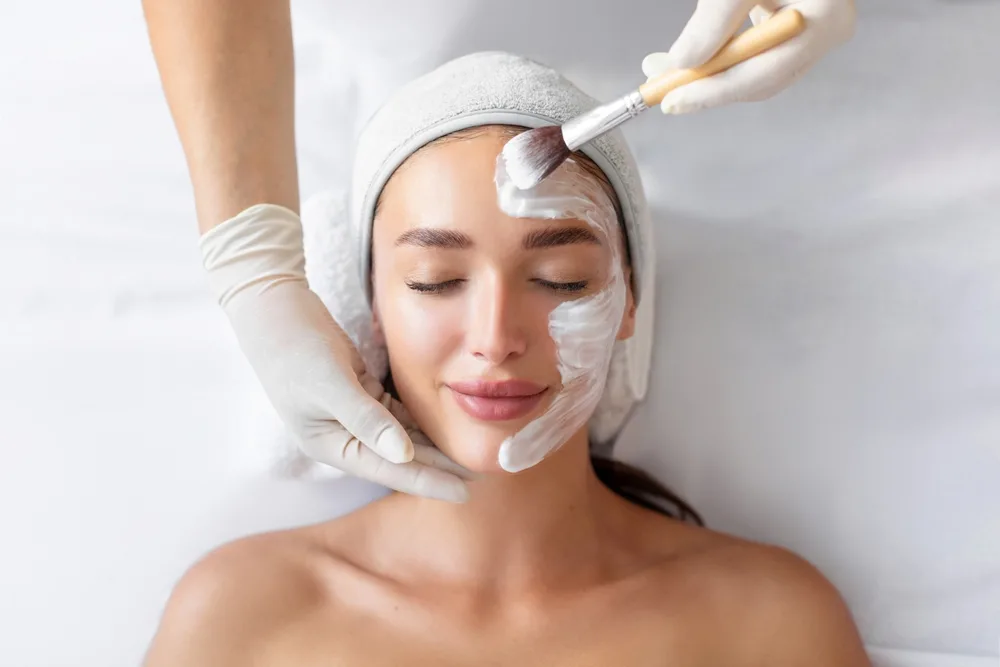
Healthy-looking skin rarely comes from finding one miracle product. Skin changes with age, stress, hormones, weather, sun exposure, medications, and the routines we follow at home. A cleanser that worked beautifully five years ago may now leave your face feeling tight, while a rich moisturizer that once felt comforting may suddenly lead to congestion. At Women’s LifeCenter Aesthetic Surgery and Medispa, facial treatments begin with understanding what your skin needs now, not what worked for someone else.
Our Wilmette practice offers personalized facials, dermaplaning, microneedling, and professional skin peel options for clients throughout Chicago’s North Shore. Each treatment has a different purpose, so the right choice depends on whether you are dealing with dryness, sensitivity, clogged pores, uneven texture, dullness, acne scars, fine lines, pigmentation, or several concerns at once. Rather than choosing a facial based on a trendy name, you can receive guidance about which treatment fits your skin and how it may work alongside your home routine. The goal is clearer, smoother, more comfortable skin and a plan that makes sense beyond a single appointment.
Schedule a Facial Consultation
When Your Skin Needs More Than Another Product
Many clients come to us after trying one product after another without understanding why their skin keeps changing. They may have a bathroom shelf filled with exfoliants, serums, masks, and moisturizers, yet their complexion still looks dull or feels irritated. Others are using good products in the wrong order, combining ingredients that are too aggressive, or treating every area of the face as though it has the same needs. A professional facial creates an opportunity to step back, look carefully at the skin, and build a more thoughtful approach.
Facial treatments can support the skin in several ways, depending on the treatment selected. Some focus on cleansing, hydration, and maintaining a healthy surface barrier, while others provide more intentional exfoliation or stimulate renewal beneath the surface. A traditional facial may be helpful when your skin feels dry, congested, or generally out of balance, while dermaplaning may be chosen for surface buildup and fine facial hair. Microneedling or a professional peel may be considered when texture, acne scars, uneven tone, or visible signs of aging require a more advanced plan.
Clients often tell us that the greatest relief comes from finally understanding their skin. Instead of guessing whether they need stronger exfoliation or more moisture, they leave with a clearer sense of what their skin is responding to and what may be making it worse. Some clients visit before an event because they want to look refreshed, while others make facials part of a long-term routine for managing recurring dryness, congestion, or dullness. Each situation calls for a different level of treatment, timing, and aftercare.
A Facial Treatment Personalized to Your Skin
A facial should not be performed as a fixed series of steps that ignores your skin type. Before treatment begins, your skin should be assessed for dryness, oil production, sensitivity, texture, active breakouts, visible irritation, and other concerns. Your current routine also matters because ingredients such as retinoids, exfoliating acids, acne medications, or recent in-office treatments may affect what can be performed safely. This information helps determine how much exfoliation is appropriate and which products are most likely to support your skin.
At Women’s LifeCenter, the current facial menu includes a Signature Facial Treatment, Sensitive Skin Treatment, Express Facial Treatment, and dermaplaning. The practice also offers microneedling and a ZO 3 Step Peel for clients who need a more advanced approach to texture, acne scars, fine lines, pigmentation, roughness, or dullness. These options do not all produce the same result, and they should not be treated as interchangeable. Your treatment plan should reflect both the condition of your skin and the amount of recovery you are prepared to manage.
Signature Facial Treatment
The Signature Facial Treatment is a useful starting point for first-time clients and for those who have already reached many of their skincare goals and want to maintain them. The treatment begins with a complete skin analysis so the products and individual steps can be adjusted to your current needs. It may be appropriate when your face feels dull, dry, mildly congested, or simply in need of professional care. It can also help us see how your skin responds before recommending a more intensive procedure.
Maintenance facials can be especially helpful for clients whose skin changes throughout the year. Cold North Shore winters may leave the face feeling dry and tight, while warmer months can bring more oil, sunscreen buildup, and congestion. Hormonal changes, travel, stress, and a disruption in your regular routine can also affect the way your skin behaves. A customized facial allows the treatment to change along with you instead of repeating the same protocol at every visit.
Sensitive Skin Treatment
Sensitive skin often reacts to products, weather, heat, friction, or excessive exfoliation. It may become red, tight, itchy, rough, or uncomfortable after a routine that seems harmless to someone else. The Sensitive Skin Treatment uses calming and hydrating formulations intended to protect the skin and encourage recovery. This approach is designed for comfort and barrier support rather than aggressive exfoliation.
Sensitivity can also be temporary. A client may normally tolerate active skincare well but become reactive after travel, illness, seasonal changes, sun exposure, or experimenting with too many new products at once. In that situation, the most helpful treatment may be the one that asks less of the skin rather than more. Calming the surface and simplifying the routine can create a better foundation for future treatments.
Express Facial Treatment
An Express Facial Treatment is designed for clients who want professional skin care but do not have time for a full appointment. The current treatment includes a skin analysis, deep cleansing, a mask, and moisturizer selected for the condition of the skin. It may work well before a meeting, date, event, or during a busy week when a longer appointment is not practical. It also gives new clients a simple introduction to professional facial care.
A shorter treatment does not mean that every skin concern can be addressed in one visit. Deep acne scarring, significant pigmentation, and established wrinkles generally require a different level of treatment and a longer-term plan. However, an express facial may help the complexion look cleaner, fresher, and more hydrated without committing to a more involved procedure. It can also help you decide whether you would benefit from a full facial or another service in the future.
Dermaplaning
Dermaplaning is a minimally invasive exfoliation treatment that removes the uppermost layer of dead skin cells and fine vellus hair, often called peach fuzz. A specialized blade is passed carefully across the skin to create a smoother surface and temporarily remove the soft facial hair that can catch makeup or make texture more visible. Clients often choose dermaplaning when their skin feels rough, looks dull, or does not hold makeup as smoothly as they would like. The treatment does not permanently remove hair, and the hair grows back with the same general texture it had before.
Dermaplaning may also help skincare products spread more evenly across the surface, although it should not be viewed as a solution for every skin condition. Active inflammatory acne, open areas, significant irritation, or certain medical concerns may make another treatment more appropriate. Because exfoliation temporarily leaves the skin more vulnerable, sun protection and gentle aftercare are important. Your provider will explain what to avoid and when you can return to stronger products.
Microneedling for Texture and Acne Scars
Microneedling uses very fine needles to create controlled microchannels in the skin. This process encourages the skin’s repair response and the production of collagen and elastin, which may gradually improve acne scars, fine lines, enlarged-looking pores, uneven texture, and certain pigment concerns. Unlike a relaxing maintenance facial, microneedling is a more advanced treatment intended to create change over a series of sessions. Most clients require more than one appointment because collagen remodeling develops over time rather than overnight.
Clients who have lived with acne scars for years often describe the concern as more emotional than outsiders realize. They may avoid bright lighting, heavy makeup, close photographs, or situations where texture feels especially visible. Microneedling cannot erase every scar, but it may soften selected scars and improve the overall quality of the skin. A consultation helps determine whether your scar type is likely to respond or whether a different or combined approach would be more useful.
Professional Skin Peels
A chemical peel applies a carefully selected solution to remove damaged outer skin layers and encourage a smoother, more even surface. Depending on the type and strength, peels may be used for dullness, acne, uneven pigmentation, rough texture, fine lines, or sun-related changes. Women’s LifeCenter currently features the ZO 3 Step Peel, which is described as targeting melasma, acne, fine lines, rough texture, large pores, and dullness, followed by a home-care phase intended to support the result. Professional peels vary considerably in strength, recovery, and suitability for different skin tones, so the specific peel matters.
A peel should never be chosen simply because you want the strongest option available. A lighter treatment may be more appropriate when your skin is sensitive, when you have an upcoming event, or when you cannot accommodate visible peeling and downtime. A more active peel may offer greater improvement for certain concerns but may also require more preparation and aftercare. Careful selection helps reduce the risk of irritation, infection, scarring, or unwanted pigment changes.
What Facial Treatments Can Improve
Facial treatments can address many common concerns, but no single treatment improves everything. The surface of the skin may need hydration and gentle exfoliation, while acne scars or deeper lines require a treatment that works through a different process. Some clients need one focused service, while others benefit from a staged plan that combines professional treatments with consistent home care. Understanding the cause and depth of the concern helps prevent unrealistic expectations.
Treatment may be considered for:
- Dry, tight, or dehydrated skin
- Dullness and surface buildup
- Fine facial hair
- Mild congestion and clogged pores
- Sensitive or reactive skin
- Uneven tone or visible sun damage
- Fine lines and early signs of aging
- Rough texture and enlarged-looking pores
- Acne scars and post-acne changes
- Makeup that applies unevenly
- Skin that needs maintenance before an event
- A home routine that no longer seems effective
Facials are not a substitute for medical evaluation when you have a changing mole, a suspicious lesion, a persistent rash, a severe acne flare, an infection, or another condition that may require diagnosis. Cosmetic treatments can improve appearance and comfort, but they should not be used to cover up a concern that needs medical attention. Tell us about any recent changes, medications, allergies, cold sores, or skin conditions before treatment. Clear communication helps us decide whether to proceed, modify the service, or recommend that you first see the appropriate medical professional.
Choosing the Right Treatment
The right facial treatment depends on what you want to change and how quickly you need to recover. A client preparing for photographs in a few days should not automatically choose the same treatment as someone beginning a long-term plan for acne scars. Likewise, a person with sensitive, over-exfoliated skin may need calming hydration even though she originally booked an aggressive peel. Good skincare decisions begin by treating the skin in front of us rather than forcing it into a preset service.
A traditional facial may be best when your priority is cleansing, hydration, maintenance, or relaxation. Dermaplaning may be considered when surface texture and fine hair are the main concerns. Microneedling may be more appropriate for acne scars, wrinkles, or uneven texture, while a professional peel may help with pigmentation, acne, roughness, and selected signs of aging. In some cases, the safest and most effective plan is to improve the skin barrier first and postpone a more active treatment.
What to Expect During Your Appointment
Your visit begins with a discussion of your concerns, current products, medications, sensitivities, recent procedures, and upcoming plans. Your provider will examine your skin and explain which treatment can reasonably address what you are seeing. This conversation matters because two clients who both describe their skin as “dry” may have very different needs. One may lack moisture, while the other may have an irritated barrier caused by too much exfoliation.
The treatment experience depends on the service selected. A customized facial may involve cleansing, analysis, treatment products, a mask, and hydration, while dermaplaning uses a specialized blade for controlled surface exfoliation. Microneedling and professional peels involve more active skin renewal and require specific preparation and aftercare. You will receive instructions based on the treatment rather than a generic list that applies to every service.
Facial Treatment Aftercare
Aftercare should support the skin instead of challenging it. You may be advised to use a mild cleanser, moisturizer, and broad-spectrum sunscreen while temporarily avoiding retinoids, exfoliating acids, scrubs, picking, or excessive heat. The exact instructions depend on whether you received a gentle facial, dermaplaning, microneedling, or a peel. Following those directions is important because newly treated skin may be more sensitive to irritation and sun exposure.
Sun protection is one of the most important parts of maintaining results. Ultraviolet exposure contributes to uneven pigmentation, loss of firmness, fine lines, and other visible signs of skin aging. The American Academy of Dermatology recommends broad-spectrum, water-resistant sunscreen with an SPF of 30 or higher as part of daily protection. Professional treatments can improve existing concerns, but they cannot protect the skin from continued damage if daily habits remain unchanged.
How Often Should You Get a Facial?
The best schedule depends on your skin, the treatment, and the goal. Some clients enjoy a customized facial once a month for maintenance, while others come less frequently and focus on a consistent home routine between appointments. Microneedling and professional peels follow different schedules because the skin needs time to heal and remodel. More frequent treatment is not always better, especially when the skin is sensitive or already irritated.
Our clients have shared that regular visits can make skincare feel less confusing. One client described continuing with monthly facials after Dr. Fisher helped improve long-standing facial concerns, while another praised the relaxing environment and the improvement she saw from combining professional skin care with selected products. These experiences reflect an important part of the Women’s LifeCenter philosophy: treatment should support your long-term well-being rather than keep you dependent on unnecessary appointments.
Why Choose Women’s LifeCenter for Facial Treatments in Wilmette?
Women’s LifeCenter Aesthetic Surgery and Medispa brings facial care into a practice built around women’s changing needs across different stages of life. The center was created from Dr. Elysa Fisher’s belief that women deserve a supportive place where they can understand their options and make informed choices about their well-being and self-esteem. That philosophy extends to skin care, where the goal is not to sell the newest treatment but to help each client find an approach that feels appropriate.
Dr. Fisher brings 42 years of medical experience to the practice. She completed medical school, general surgery residency, and plastic surgery fellowship training at Northwestern Feinberg School of Medicine and became board-certified in plastic surgery through the American Board of Plastic Surgery in 1992. Her understanding of facial anatomy, aging, proportion, and healing shapes a practice where surgical and non-surgical care can be considered together. Clients do not need to decide on their own whether their concern belongs in a facial room, a skincare consultation, or a discussion with a plastic surgeon.
Clients frequently describe the office as calm, welcoming, and comfortable. They also mention the time the team takes to answer questions and the feeling that they are not being rushed through an appointment. That atmosphere matters because skin concerns can affect confidence in quiet, persistent ways. At Women’s LifeCenter, you can talk openly about what has changed and receive guidance without being made to feel that you need to correct every line, pore, or sign of age.