
Plastic Surgery in Wilmette, IL
Plastic surgery is rarely a decision made from one photograph or one passing thought. You may have lived with a feature that has bothered you for years, noticed changes after pregnancy or weight loss, or reached a stage when your face no longer reflects how energetic you feel. You may also be looking for relief from physical discomfort caused by heavy breasts, loose skin, a restrictive scar, or another concern that affects everyday life.
At Women’s LifeCenter Aesthetic Surgery and Medispa, plastic surgery begins with understanding what you want to change and why it matters to you. Elysa Fisher, MD, FACS, evaluates your anatomy, health, lifestyle, previous procedures, and expectations before recommending an operation. The goal is not to apply the same surgical plan to every client or make you look like someone else. It is to identify the procedure that can create a meaningful, balanced improvement while respecting your natural features.
Dr. Fisher completed her undergraduate, graduate, and postgraduate education at Northwestern University and has been board-certified in plastic surgery since 1992. Her philosophy emphasizes accessibility, education, and serving as a source of information throughout the treatment process. From focused office procedures to more extensive aesthetic surgery, she helps clients understand the expected improvement, scars, recovery, limitations, alternatives, and risks before they make a decision.
Women’s LifeCenter is located in Wilmette and serves clients throughout Chicago’s North Shore and nearby suburbs. Whether you live in Wilmette, Evanston, Winnetka, Glenview, Northbrook, Skokie, Highland Park, or another surrounding community, your care is planned around your individual body rather than a standard package. The practice provides facial plastic surgery, breast surgery, body contouring, and selected reconstructive procedures within a welcoming setting created around women’s health, healing, confidence, and restoration.
Meet Your Plastic Surgeon in Wilmette
Choosing a plastic surgeon involves more than comparing procedure names, before-and-after photographs, or prices. You are trusting someone to evaluate your health, make permanent changes to your body, guide you through recovery, and respond appropriately if healing does not proceed as expected. The American Society of Plastic Surgeons recommends looking for board certification in plastic surgery, appropriate surgical training, access to accredited or state-licensed facilities, clear communication about risks, and a comprehensive consultation that considers your anatomy, medical history, lifestyle, and goals.
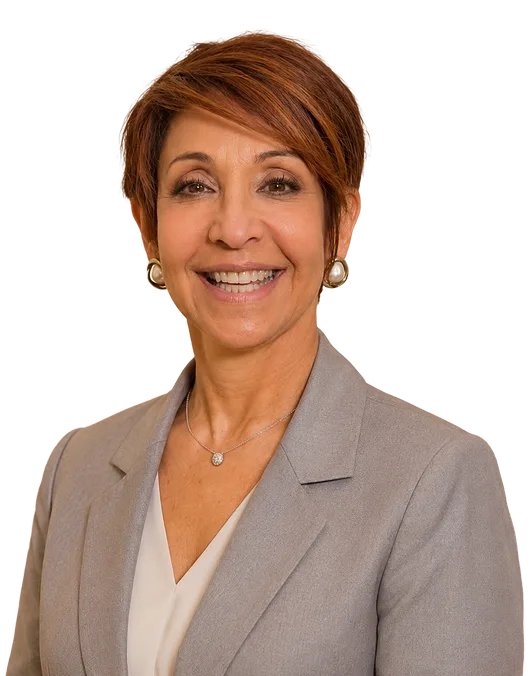
Dr. Elysa Fisher brings decades of medical and surgical experience to each consultation. Her education at Northwestern University included undergraduate, graduate, and postgraduate training, and she received her plastic surgery board certification in 1992. She is also a Fellow of the American College of Surgeons, reflected in the FACS credential following her name.
Credentials establish an important foundation, but your relationship with your surgeon also matters. You should feel comfortable asking difficult questions about scars, complications, recovery, revision surgery, anesthesia, and results that may differ from your expectations. Dr. Fisher believes a physician and surgeon should remain accessible and help clients understand their options instead of simply performing the procedure originally requested.
Clients featured on the Women’s LifeCenter website frequently describe Dr. Fisher as thoughtful, caring, detailed, and attentive before and after treatment. They also describe a calm office environment, supportive staff, and a willingness to answer questions throughout recovery. These experiences reflect the value of choosing a surgeon whose care continues after the operation rather than ending when the procedure is complete.
Plastic Surgery Designed Around You
Two clients may request the same operation and need very different plans. One person considering a tummy tuck may have loose skin and separated abdominal tissue after pregnancy, while another may have excess skin following major weight loss. A client interested in facial rejuvenation may need eyelid surgery, a forehead lift, a facelift, or a combination, depending on whether the concern comes from skin, brow position, tissue descent, or several structures together.
Your personal definition of a successful result also matters. Some clients want a noticeable change, while others prefer an improvement that friends and family cannot easily identify as surgery. One woman may prioritize physical comfort, another may want clothing to fit more naturally, and another may simply want her reflection to feel more consistent with the way she sees herself.
Dr. Fisher considers the entire area surrounding the concern instead of treating one feature in isolation. Breast size must be evaluated in relation to the chest, shoulders, torso, and skin. Abdominal contour depends on skin, fat, muscle support, scars, and body proportions. Facial surgery must preserve expression while considering the cheeks, jawline, neck, eyes, brows, hairline, and natural asymmetry.
This individualized planning helps prevent the operation from being selected before the problem is understood. The least invasive procedure is not always the best choice when it cannot provide the desired correction. At the same time, a larger operation should not be recommended when a more focused procedure can create an appropriate improvement.
Facial Plastic Surgery in Wilmette
Facial aging changes the skin, fat, supporting tissue, muscle activity, and underlying contours at different rates. Eyelid skin may become heavy before the jawline changes, or jowls and neck laxity may develop while the upper face remains relatively youthful. A natural facial rejuvenation plan identifies which structures are responsible instead of tightening every area or adding unnecessary volume.
Women’s LifeCenter offers facial procedures for concerns involving the brows, eyelids, cheeks, jawline, ears, scars, and selected skin lesions. Dr. Fisher evaluates how each proposed change may affect the expression and balance of the entire face. The purpose is generally to help you look rested, restored, and recognizable rather than tightly pulled or dramatically altered.
Facelift Surgery
A facelift can improve jowls, loose facial tissue, reduced jawline definition, and selected aging changes involving the cheeks and lower face. Depending on the surgical plan, the neck may also be treated to create a smoother transition beneath the chin and along the jawline. Facelift surgery works by repositioning selected deeper tissue and redraping the skin, rather than relying only on surface tension.
Eyelid Blepharoplasty
Upper blepharoplasty removes a carefully planned amount of skin and selected tissue that creates heaviness above the eyes. Lower blepharoplasty can address bags, prominent fat, loose skin, or contour changes beneath the eyes. Dr. Fisher also evaluates brow position and true eyelid ptosis because removing eyelid skin alone may not correct every form of drooping.
Forehead and Brow Lift Surgery
A forehead lift may be considered when descended brows create a tired, stern, or heavy appearance around the upper eyes. The procedure repositions forehead and brow tissue rather than treating excess eyelid skin alone. Some clients benefit from a forehead lift by itself, while others may need coordinated brow and eyelid surgery to address separate concerns.
Ear Otoplasty
Otoplasty reshapes or repositions the visible outer ear. It may reduce excessive projection, create a more defined natural fold, or improve selected differences between the two ears. The goal is to bring the ears into better proportion with the head and face without pressing them unnaturally flat.
Earlobe Repair
Earlobe repair closes torn, split, stretched, or gauged earlobes. The damaged opening is removed, and the remaining tissue is carefully shaped and closed to restore a smoother lower border. Many clients can consider piercing the repaired lobe again after it has healed sufficiently, although the new piercing should be positioned away from the surgical scar.
Scar Revision and Lesion Excision
Scar revision may improve a wide, raised, depressed, poorly positioned, or physically restrictive scar. Lesion excision removes selected skin growths with attention to diagnosis, nearby structures, closure, and the resulting scar. These procedures may be relatively focused, but careful planning remains important because the location, tissue tension, and individual healing response influence the final appearance.
Breast Surgery in Wilmette
Breast surgery may be considered for aesthetic preferences, physical discomfort, asymmetry, pregnancy-related changes, or concerns that have been present since breast development. Choosing the correct procedure begins by determining whether the issue involves breast volume, weight, skin, position, nipple location, or several changes together. The operation should also account for scars, future pregnancy plans, breastfeeding goals, long-term aging, and possible additional surgery.
Breast Augmentation
Breast augmentation increases volume through carefully selected implants. Dr. Fisher considers chest width, breast dimensions, skin quality, natural tissue, asymmetry, implant profile, and the amount of change you want. Implant selection is not based on cup size alone because bra sizing varies and the same implant can look different on two bodies. The practice’s existing breast enlargement information describes augmentation as an option for naturally small breasts, uneven size, and volume loss following pregnancy or weight reduction.
Breast Reduction
Breast reduction removes selected breast tissue and skin to create a smaller, lighter, and more proportionate breast. The procedure may be considered when breast weight contributes to neck pain, shoulder discomfort, skin irritation, difficulty exercising, bra-strap grooves, or problems finding clothing that fits. Dr. Fisher also evaluates breast position, symmetry, nipple placement, and the scars required to create the reduction.
Breast Surgery as Part of a Mommy Makeover
Pregnancy and breastfeeding may change breast volume, skin, position, and symmetry. Some women want to restore lost fullness, while others want to reduce breasts that became heavier or reshape tissue that has descended. When breast and abdominal concerns are related, surgery may be planned as part of a personalized mommy makeover, provided the combined procedure is appropriate for the client’s health and recovery needs.
Body Contouring Surgery in Wilmette
Exercise and weight management can improve strength, health, and fat distribution, but they cannot always tighten skin that has lost significant elasticity. Pregnancy, aging, genetics, and major weight changes can leave stretched abdominal tissue, loose thighs, or areas that remain out of proportion with the rest of the body. Body contouring surgery addresses the skin, fat, and supporting structures that create these concerns.
Tummy Tuck Surgery
A tummy tuck, also called abdominoplasty, removes selected excess abdominal skin and fat. The procedure may also tighten weakened or separated abdominal tissue when that concern is present. Dr. Fisher’s existing tummy tuck information describes the procedure as a way to address extra skin and fat while tightening the abdominal area.
A tummy tuck is not the same as liposuction. Liposuction reduces localized fat, while abdominoplasty addresses loose skin and can repair deeper abdominal support. Some clients benefit from combining these methods, but each part should have a clear role in the surgical plan.
Liposuction and SmartLipo Triplex
Liposuction can refine selected fat deposits when the surrounding skin has enough elasticity to adapt to the reduced volume. Women’s LifeCenter also offers SmartLipo Triplex, a laser-assisted lipolysis procedure using a small cannula to treat appropriate areas of localized fat. It may be considered for selected concerns, but it cannot replace surgical skin removal when significant loose tissue is present.
Thigh Lift Surgery
A thigh lift removes excess skin and selected fat from the inner or outer thighs. It is often considered after significant weight loss, although aging and genetics may also contribute to thigh laxity. The incision pattern depends on whether loose tissue is concentrated near the groin or extends farther down the leg, and clients must weigh the contour improvement against permanent scars.
Broader Body Contouring
Body contouring may involve one focused area or several procedures completed in carefully planned stages. Clients who have lost a substantial amount of weight may experience loose tissue across the abdomen, thighs, arms, breasts, or other regions. Treating everything during one operation is not always appropriate, so Dr. Fisher considers overall health, surgical time, mobility, blood-clot risk, recovery support, and the amount of tissue healing simultaneously.
Mommy Makeover Surgery
A mommy makeover is not one fixed operation. It is a personalized combination designed around the changes that remain after pregnancy, childbirth, breastfeeding, and weight stabilization. The plan may involve the breasts, abdomen, localized fat, or another area, but procedures should be combined only when the total operation can be performed responsibly.
Minor and Reconstructive Plastic Surgery Procedures
Not every plastic surgery procedure requires a large operation or extended recovery. Some concerns can be treated through a focused office procedure using local anesthesia, depending on their size, location, and complexity. Even a smaller procedure requires careful attention because incision direction, tissue support, and wound tension can affect the scar for years.
Dr. Fisher evaluates torn earlobes, selected lesions, scars, and localized tissue concerns individually. A straightforward lesion may be removed and closed directly, while another may require pathology, a dermatologist, Mohs surgery, or a more complex reconstruction. A scar may benefit from surgical revision, but another may respond better to injections, microneedling, silicone care, or additional maturation time.
The goal is not to operate simply because surgery is available. Dr. Fisher will explain whether the expected improvement justifies the incision and whether another treatment can address the concern more appropriately. This approach is consistent with her belief that a surgeon should provide information and help clients understand the complete range of options.
Your Plastic Surgery Consultation
Your consultation is an opportunity to explain what bothers you without needing to know the correct medical term or procedure. Dr. Fisher will ask when the concern began, how it affects your comfort or confidence, and what kind of change you hope to see. She will also review your health history, medications, allergies, previous surgery, nicotine use, healing experience, and responsibilities at home and work.
A physical examination helps identify which tissues are creating the concern. Dr. Fisher may assess skin elasticity, fat distribution, muscle support, scars, symmetry, proportions, and nearby structures. Photographs and measurements may be taken for documentation and planning, depending on the procedure.
You should also use the consultation to evaluate whether Dr. Fisher’s recommendations and communication style feel right for you. Ask why a procedure is being recommended, where the incisions will be located, how much improvement is realistic, and what could remain unchanged. The American Society of Plastic Surgeons recommends discussing the surgeon’s credentials, facility, anesthesia, risks, expected results, recovery, and availability if a concern develops after surgery.
Dr. Fisher may confirm that the procedure you researched is appropriate. She may also recommend a different operation, a smaller procedure, a staged plan, a non-surgical treatment, or no treatment at all. An honest consultation helps prevent you from undergoing an operation that cannot produce the result you expect.
Preparing for Plastic Surgery
Preparation varies according to the operation and your health. You may need laboratory testing, medical clearance, breast imaging, an eye examination, medication changes, or another procedure-specific evaluation. Never stop a prescribed medicine without approval from the clinician who manages it.
Smoking, vaping, and other nicotine use must be discussed honestly. Nicotine restricts blood flow and may increase the risk of wound separation, infection, skin loss, and poor scarring. Dr. Fisher will provide instructions about when nicotine must be stopped before and after surgery.
Recovery support should be arranged before the procedure. You may need an adult to drive you home, remain with you initially, help with children or pets, prepare food, or take over lifting and household responsibilities. The amount of assistance depends on the surgery, but planning for more support is generally easier than discovering after the operation that basic tasks are difficult.
You should also prepare financially and practically for time away from work. Surgical fees are only one part of planning, since recovery may affect childcare, transportation, exercise, travel, and income. ASPS encourages clients to discuss the full recovery process and understand the likely downtime before scheduling an operation.
Recovery and Follow-Up Care
Plastic surgery recovery does not end when you leave the operating facility. Swelling, bruising, tightness, fatigue, tenderness, numbness, and temporary asymmetry are common after many procedures. The degree and duration depend on the operation, tissue treated, anesthesia, health, and individual healing response.
A client returning to computer-based work may resume her routine earlier than someone who lifts children, works in healthcare, teaches fitness, or performs physical labor. Feeling emotionally ready to resume activity does not mean deeper tissue has finished healing. Dr. Fisher will provide guidance about driving, work, lifting, exercise, compression, wound care, bathing, and sleeping position.
Follow-up visits allow Dr. Fisher to evaluate incisions, swelling, tissue position, sensation, scars, and overall healing. These appointments are also an opportunity to discuss changes that may look concerning but are part of normal recovery. Clients on the practice’s website frequently mention the value of Dr. Fisher’s attention during postoperative care and her willingness to respond to questions.
Every procedure has risks, and no responsible surgeon can promise perfect symmetry, invisible scars, or a complication-free recovery. You should know which symptoms require an immediate call and how the practice handles concerns outside a routine appointment. Clear follow-up expectations are an important part of choosing a plastic surgeon.
Why Choose Women’s LifeCenter for Plastic Surgery in Wilmette?
Women’s LifeCenter was created around the idea that women need a place where they can discuss health, aging, appearance, healing, and self-esteem without being reduced to a procedure. A concern may be connected to motherhood, weight changes, physical discomfort, aging, injury, or something that has affected confidence for most of your life. Dr. Fisher’s role is not to decide which parts of you should change, but to help you understand whether treatment can create an improvement that feels worthwhile.
Dr. Fisher offers a perspective built through decades of plastic surgery practice and care across different stages of women’s lives. Her Northwestern education, board certification since 1992, and experience with surgical and non-surgical treatments allow her to compare several possible approaches.
The practice is also designed to feel personal rather than transactional. Clients describe being listened to, having their sensitivities taken seriously, and receiving detailed information about what to expect. The goal is for you to understand the plan and feel comfortable contacting the office when you have a question.
Most importantly, surgery is recommended according to your anatomy and goals. A facelift should not be replaced with repeated filler when deeper tissue descent is the main concern. Liposuction should not be expected to remove substantial loose skin, and a tummy tuck should not be recommended when a limited fat treatment can reasonably accomplish the goal.
Plastic Surgery for Wilmette and Chicago’s North Shore
Women’s LifeCenter is located at 124 1/2 Skokie Blvd in Wilmette, Illinois. The location allows clients to receive consultations, selected procedures, and follow-up care without traveling into downtown Chicago for every appointment.
The practice welcomes clients from Wilmette and surrounding communities, including Evanston, Kenilworth, Winnetka, Glencoe, Glenview, Northfield, Northbrook, Highland Park, Skokie, Lincolnwood, Niles, Park Ridge, Des Plaines, Mount Prospect, Arlington Heights, Prospect Heights, and Wheeling.
Living near the practice can make postoperative appointments and unexpected evaluations easier, but clients may also travel from farther away when Dr. Fisher’s experience and approach feel right for them. Travel, transportation, and the need to remain near the surgical team during early recovery should be discussed before choosing a procedure date.
Frequently Asked Questions
Begin by confirming that the physician is board-certified specifically in plastic surgery and has experience with the procedure you are considering. Ask where surgery is performed, who provides anesthesia, how complications are handled, and what follow-up care includes. You should also feel that the surgeon listens carefully, explains realistic results, and discusses alternatives rather than pressuring you to schedule. ASPS identifies board certification, accredited facilities, comprehensive consultation, safety standards, experience, and communication as important considerations.
Board certification in plastic surgery indicates that the physician has completed required surgical education and training and passed specialty examinations through an appropriate certifying board. The American Board of Plastic Surgery is recognized by the American Board of Medical Specialties. Similar-sounding credentials may represent different training, so clients should confirm the exact board rather than relying on the general phrase “board-certified.”
Dr. Fisher offers facial, breast, body contouring, and selected reconstructive procedures. These include facelift, forehead lift, blepharoplasty, otoplasty, breast augmentation, breast reduction, tummy tuck, liposuction-related contouring, thigh lift, earlobe repair, scar revision, and lesion excision. The appropriate procedure is determined after an examination because similar-looking concerns can come from different tissues.
Plastic surgery is a recognized surgical specialty that includes both cosmetic and reconstructive procedures. Cosmetic surgery refers to procedures performed primarily to improve appearance, while reconstructive surgery focuses more on restoring form or function after injury, disease, congenital differences, or another condition. A board-certified plastic surgeon receives broad surgical training that can include both areas. The term “cosmetic surgeon” by itself does not confirm certification by the American Board of Plastic Surgery.
There is no single best age for most procedures. Candidacy depends on anatomy, health, emotional readiness, goals, skin and tissue quality, and whether future changes such as pregnancy or major weight loss are expected. One client may consider eyelid surgery because of hereditary upper-lid heaviness relatively early, while another may not need facial surgery until much later. Dr. Fisher recommends treatment according to the concern present rather than a birthday.
Selected procedures may be combined when each addresses a clear concern and the total operation can be performed responsibly. Combining surgery can coordinate related improvements and create one recovery period, but it also increases surgical time and the amount of tissue healing at once. Health, anesthesia, blood-clot risk, mobility, and available support must all be considered. Dr. Fisher may recommend staging procedures when treating everything together would create unnecessary risk or a difficult recovery.
Recovery varies widely. A focused office procedure may allow a rapid return to ordinary routines, while a tummy tuck, facelift, breast operation, or combined procedure can require several weeks of meaningful restrictions and months of continued healing. Returning to work and feeling socially presentable are also different from being fully healed internally. Dr. Fisher will provide a procedure-specific timeline based on your surgery and responsibilities.
Any surgery that requires an incision creates a permanent scar. Dr. Fisher plans incision placement around natural creases, clothing lines, hair-bearing areas, or other less visible locations whenever the anatomy and procedure allow. Scars usually change over many months, often becoming softer and less noticeable, but complete disappearance cannot be guaranteed. Genetics, tension, nicotine, sun exposure, infection, and personal healing patterns influence the final appearance.
Procedures performed only to improve appearance are generally self-pay. Insurance may consider coverage when surgery is medically necessary to relieve documented symptoms, restore function, or treat disease, but each plan has its own requirements. Breast reduction, functional eyelid surgery, lesion treatment, scar contracture release, and selected reconstructive procedures may be evaluated differently from purely cosmetic surgery. Contact your insurance company directly for current authorization, network, deductible, and documentation requirements.
Cost depends on the operation, surgical complexity, anesthesia, facility expenses, implants or supplies, and whether procedures are combined. A limited office procedure involves a very different plan from a facelift, breast operation, or extensive body contouring surgery. An accurate estimate requires a consultation and examination. The practice can provide personalized pricing once Dr. Fisher has determined the appropriate procedure.
Women’s LifeCenter currently offers complimentary consultations for clients interested in discussing treatment options. During the visit, Dr. Fisher can evaluate the concern, review your history, and explain which procedures may be appropriate. You are not required to know the exact operation before scheduling. Contact the practice to confirm current consultation details and preparation instructions.
Yes. Women’s LifeCenter serves clients from Wilmette and nearby communities throughout the North Shore and northwest suburbs. Before surgery, you should discuss transportation, the number of postoperative appointments, and whether you need to remain within a practical distance of the surgical team during early recovery. An adult may need to drive you home and stay with you after the operation, depending on the procedure and anesthesia.
Schedule a Plastic Surgery Consultation in Wilmette
You do not need to know whether your concern requires a facelift, eyelid surgery, breast procedure, tummy tuck, body contouring, or another operation before scheduling. Tell Dr. Fisher what has changed, how it affects your life, and what kind of improvement would feel natural and worthwhile. She will help you understand the available options, realistic results, recovery, scars, and tradeoffs before you decide whether plastic surgery is right for you.